Moyamoya disease: bypass surgery, and when it's needed
Emergency signs — call your local emergency number now
- Sudden weakness or numbness, often on one side — face, arm, or leg
- Sudden trouble speaking or understanding speech, or a drooping face
- A sudden, severe headache unlike any before
- A seizure, or a sudden drop in alertness or loss of consciousness
Moyamoya disease is one of the few conditions in medicine that carries a Japanese name everywhere in the world — moyamoya means "puff of smoke," describing how its fragile network of compensatory vessels looks on an angiogram. The name is Japanese because the disease was first described and named here, it is markedly more common in East Asia than anywhere else, and Japan has accumulated some of the world's deepest experience in treating it. If you or your child has been diagnosed with moyamoya disease, understanding how Japan approaches it is not a curiosity — it is a look at where much of the playbook was written. And because this disease can cause a stroke suddenly, the single most useful thing to carry away first is which symptoms mean "call an ambulance now" — which is why it sits at the top of this page.
What moyamoya disease is
In moyamoya disease, the large arteries at the base of the brain — the ends of the internal carotid arteries and their main branches — slowly narrow over years, on both sides. The brain compensates by growing a mesh of tiny collateral vessels: the "puff of smoke." The problem is twofold. The narrowing can starve parts of the brain of blood flow, causing transient ischemic attacks (TIAs) or strokes; and the overworked, fragile collaterals can bleed, causing a hemorrhage. Children more often present with ischemic symptoms; adults can present either way, and hemorrhage is a particular concern in adults. It is worth knowing that this is not the "furring up" of arteries caused by cholesterol and smoking (atherosclerosis) — it is a distinct disease of the vessel wall itself, which is why prevention looks different.
Symptoms — and which ones are an emergency
Because moyamoya harms the brain in two opposite ways — starving it of blood (ischemia) and bleeding (hemorrhage) — its symptoms span a wide range, from quiet and easy to dismiss to sudden and life-threatening. It helps to sort them into two levels of urgency.
Symptoms that mean "get this looked at soon" (arrange an evaluation, don't ignore):
- Recurring headaches — common, and in children sometimes the earliest and only sign.
- Gradual changes in memory, concentration, or school or work performance, as chronically reduced blood flow takes a toll.
- Occasional, subtle numbness or clumsiness that you might otherwise brush off.
These are not emergencies, but they are reasons to see a neurologist or neurosurgeon and get imaging rather than wait and hope.
Symptoms that are an emergency — stop and call your local emergency number now:
- Sudden weakness or numbness of the face, arm, or leg — often on one side.
- Sudden trouble speaking or understanding speech, or a drooping face.
- A sudden, severe headache unlike any before — this can signal a hemorrhage.
- A seizure, or a sudden drop in alertness, drowsiness, or loss of consciousness.
- In a child: a spell of weakness, slurred speech, or blurred vision brought on by crying hard, blowing on hot food, or vigorous exercise. All of these cause overbreathing (hyperventilation), which lowers carbon dioxide, tightens the brain's arteries, and can tip an already under-supplied brain into a TIA.
The crucial point about the ischemic spells: even if the weakness or slurred speech passes within minutes (a TIA), treat it as both an emergency and a warning. A TIA in moyamoya can be the herald of a full stroke — it earns a same-day emergency assessment, not a note to mention at the next routine visit. And if you are second-guessing whether a spell qualified, that uncertainty is itself a reason to pick up the phone.
Causes and risk factors
Why the arteries narrow in moyamoya disease is still not fully understood, but it is an intrinsic process in the vessel wall — not something caused by diet, smoking, or cholesterol the way ordinary hardening of the arteries is. Rather than "things you did," the risk factors are mostly background traits, and it helps to separate the ones fixed in your biology from the few triggers you can actually act on.
Background factors (fixed):
- Ancestry — the disease is markedly more common in East Asian populations (Japan, Korea, China) than in Western ones.
- The RNF213 gene — a susceptibility gene identified by Japanese researchers; a particular variant is common in East Asians and raises the chance of developing moyamoya, though most people who carry it never do.
- Family history — roughly 10–15% of patients in Japan have an affected relative.
- Age — moyamoya has two peaks: one in childhood (often around 5–10 years) and another in adulthood (commonly the 30s–40s).
- Female sex — it is somewhat more common in women.
- Associated conditions ("moyamoya syndrome") — the same "puff of smoke" picture can appear secondary to other conditions such as Down syndrome, sickle cell disease, prior cranial radiation, thyroid (Graves') disease, or neurofibromatosis type 1. Telling true moyamoya disease from this secondary syndrome matters, because management can differ.
Triggers you can act on (to reduce symptoms, not the disease itself):
- Dehydration — thick, low blood volume can precipitate ischemia; staying well hydrated matters.
- Hyperventilation, especially in children — hard crying, blowing on hot food, and other forced or rapid breathing can bring on ischemic spells, so these triggers are worth knowing about.
- Blood pressure — worth managing, both to lower hemorrhage risk and to keep flow steady.
None of these background factors make trouble certain — they tilt the odds and nothing further. What they add up to in your case is a question for the doctor who can see your imaging.
Tests and diagnosis — what each one shows
Each study answers its own question here: some find the narrowing and confirm the diagnosis, others measure whether the brain still has blood-flow "reserve" — and they range from painless scans to catheter procedures.
- MRI and MRA (MR angiography) — the non-invasive mainstay. MRA pictures the brain's vessels without contrast dye or radiation and shows both the narrowing of the internal carotid ends and the moyamoya vessels; MRI shows any strokes or bleeding. In Japan, the national diagnostic criteria allow a diagnosis to be made on MRI/MRA alone in typical bilateral cases, without a catheter study.
- Catheter angiography (DSA) — a catheter is threaded from the groin or wrist and contrast is injected to image the vessels in the finest detail. It gives the most precise map of the moyamoya vessels and collaterals and is commonly used for surgical planning and for assigning the Suzuki stage. It is the most invasive of the tests.
- Blood-flow (hemodynamic) studies — such as SPECT or MR/CT perfusion, often with an acetazolamide (Diamox) challenge that asks the brain's vessels to dilate. This measures the cerebrovascular reserve — whether the brain still has spare capacity or is already running at its limit. It is central to deciding whether surgery is likely to help.
You may hear your disease described by its Suzuki stage (I–VI) — a Japanese staging system that tracks the disease from early narrowing, through the peak of the moyamoya vessels, to their eventual decline as the brain recruits outside vessels instead. Your team chooses and orders these tests around your particular situation.
Why Japan's experience runs so deep
- The disease was defined here. The angiographic description and the name come from Japanese neurosurgeons in the 1960s (Suzuki and Takaku), and the staging system still used worldwide — Suzuki stages — is Japanese as well.
- Case volume. The disease is far more prevalent in Japan and East Asia than in Western countries, so Japanese centers see and operate on it regularly rather than rarely.
- A national framework. Moyamoya disease is a government-designated intractable disease in Japan, with a registry, research funding, and periodically updated national treatment guidelines.
- The science. Japanese researchers identified RNF213, the main susceptibility gene, and Japan conducted the JAM Trial — the randomized trial showing that direct bypass reduces rebleeding in adults with hemorrhagic-onset disease.
How treatment is typically approached
There is no medication that reverses the narrowing. Management is about protecting the brain, and the central tool is revascularization surgery — a bypass that brings new blood supply to the undersupplied hemisphere. The most common direct operation, the STA-MCA bypass, reroutes a scalp artery to an artery on the surface of the brain:
- Direct bypass (typically STA-MCA): under the microscope, a scalp artery is connected to a brain-surface artery. Flow improves immediately. This is demanding microsurgery — the vessels are around a millimeter across — and it is the area where Japanese centers are especially practiced.
- Indirect procedures (EDAS and variants): vascularized tissue (such as a scalp artery with its cuff, or muscle) is laid on the brain's surface, and new vessels grow in over months. Particularly effective in children.
- Combined approaches: many Japanese centers do both at once in adults — immediate flow from the direct bypass, plus the long-term ingrowth of the indirect component.
Surgery is generally considered when a patient is symptomatic (TIAs, stroke, hemorrhage) and blood-flow studies show impaired hemodynamic reserve. For hemorrhagic-onset adults, the JAM Trial — the one randomized trial in this group — supports direct bypass to lower the risk of rebleeding. Asymptomatic or mild cases may be followed with imaging; medical care is sensible alongside (for ischemic-type disease, often antiplatelet therapy, and always attention to blood pressure, hydration, and — in children — avoiding hyperventilation triggers). Bypass is preventive rather than restorative, and it carries its own perioperative risks, so the choice is weighed case by case.
Outlook and follow-up
"What happens from here" depends heavily on the type of disease, the stage, how much reserve the brain has lost, and age. In general terms:
- Left untreated, symptomatic disease tends to progress — the narrowing advances and the risk of further TIAs or strokes continues. This is the natural history that revascularization is meant to change.
- After revascularization for ischemic-type disease, the goal is to lower the risk of future strokes by restoring supply; an indirect bypass takes months for its new vessels to mature, while a direct bypass adds flow immediately.
- For hemorrhagic-type adults, the JAM Trial showed that direct bypass reduced the rate of rebleeding compared with medical management alone — one of the reasons Japan often favors it in this group.
- Follow-up continues even after successful surgery. The disease can progress on the other side, children need to be followed as they grow, and imaging (MRA, perfusion, sometimes DSA) is used to confirm the bypass is working.
These are patterns drawn from groups of patients, and no pattern is a promise about any one person. What lies ahead depends on your disease type, stage, and reserve — something the team following your case is best placed to judge.
Living with moyamoya disease
Most people with moyamoya — especially after a successful bypass — go on to lead full lives, at school, at work, and beyond. A few habits genuinely help, and they follow directly from how the disease behaves:
- Stay well hydrated. Dehydration can precipitate ischemia, so it deserves ongoing attention, particularly in hot weather or illness.
- Understand hyperventilation triggers, especially for children. Hard crying, blowing on hot food, blowing wind instruments or balloons, and very intense exertion can bring on ischemic spells. This is about awareness, not wrapping a child in cotton wool.
- Manage blood pressure as advised — steady pressure supports steady flow.
- Take medications as prescribed. For ischemic-type disease, antiplatelet therapy is often used; because moyamoya can also bleed, whether and how to use it is a judgment your doctor makes.
- Exercise is generally encouraged, but the intensity that is right for you — and how to handle breath-holding or high-exertion activities — is something to calibrate with your own doctor.
- Pregnancy can usually be managed with planning shared between obstetrics and neurosurgery; if this applies to you, raise it early.
Where the line falls for your specific activities, sport, or job is a decision to make with the doctor who knows your disease — and the goal of those conversations is a full life with sensible precautions, not a small one ruled by fear.
When to seek help immediately
Keep this section in mind for the moment you find yourself hesitating. Moyamoya can cause both stroke and hemorrhage, and both are time-critical. If any sudden stroke sign appears — one-sided weakness, trouble speaking, a sudden severe headache unlike any before, a seizure, or a drop in consciousness — drop everything, including this page, and call your local emergency number. In a child, a sudden spell of weakness, slurred speech, or blurred vision counts even if it passes within minutes. The rule of thumb: a sudden spell involving the face, an arm, or speech is a stroke until proven otherwise, and a passing TIA is a warning, not an all-clear. When in doubt, call.
The decision, honestly framed
Bypass surgery for moyamoya is preventive: it does not undo damage already done, and it carries perioperative risks of its own — including stroke in the very period the surgery is meant to protect against, and hyperperfusion (too much new flow, too fast) which experienced teams monitor for closely. That is why the two questions that matter most are: does my hemodynamic testing actually show the brain is compromised? and how experienced is the team that would operate? This is a condition where volume matters — in the surgery, and just as much in the anesthesia and postoperative care around it.
Questions worth taking back to your doctor
- Is my diagnosis definite moyamoya disease, or "moyamoya syndrome" secondary to another condition? (The management can differ.)
- What did my blood-flow study (SPECT/perfusion) show? Do I have impaired reserve, and on which side?
- Is my disease ischemic-type or hemorrhagic-type — and how does that change the case for surgery?
- If surgery: direct, indirect, or combined — and why that choice for my age and anatomy?
- How many moyamoya revascularizations does this team perform, and how is hyperperfusion monitored afterward?
- (For women) How would pregnancy be managed with my disease?
Frequently asked questions
- Does everyone with moyamoya disease need surgery?
- No. Surgery — revascularization (bypass) — is typically considered when the disease is causing symptoms such as TIAs or stroke, or when blood-flow studies show the brain is hemodynamically compromised. Some patients, especially with mild or asymptomatic disease, are followed with imaging and medical management instead. The decision is individual.
- What is the difference between direct and indirect bypass?
- A direct bypass (typically STA-MCA) connects a scalp artery to a brain artery under the microscope, restoring flow immediately. Indirect procedures (such as EDAS) lay vascularized tissue on the brain's surface so new vessels grow in over months. Combined approaches do both. In adults, direct or combined bypass is often preferred; in children, indirect procedures work particularly well. The choice depends on age, anatomy, and the treating team.
- What are the warning signs of a stroke in moyamoya disease?
- Moyamoya can cause both ischemic strokes and brain hemorrhage, so call emergency services immediately for any sudden weakness or numbness (often one-sided), sudden trouble speaking or understanding speech, a sudden severe headache unlike any before, a seizure, or reduced consciousness. In children, a spell of weakness, slurred speech, or visual change brought on by crying hard, blowing on hot food, or vigorous exercise — all of which cause hyperventilation — is a warning of a TIA; treat it as an emergency even if it passes within minutes. Ongoing headaches or subtle changes in memory or performance are reasons to be evaluated soon, though not the same emergency.
- Why is Japan particularly experienced with moyamoya disease?
- The disease was first described and named in Japan — moyamoya means “puff of smoke,” after how the fragile collateral vessels look on angiography. It is markedly more common in East Asia, Japan runs a national registry as a designated intractable disease, Japanese researchers identified the RNF213 susceptibility gene, and the key randomized trial on bypass for the hemorrhagic type (the JAM Trial) was conducted in Japan.
- Is moyamoya disease hereditary?
- Most cases are sporadic, but roughly 10–15% of patients in Japan have a family history, and variants of the RNF213 gene raise susceptibility, especially in East Asian populations. A family history is worth mentioning to your doctor; screening decisions for relatives are made case by case.
- Can I ask a Japanese neurosurgeon about moyamoya disease online?
- Yes. Through Japan Medical Bridge you can book a one-on-one video consultation in English with a Japanese neurosurgeon and hear how moyamoya disease is generally evaluated and treated here. This is background information only — no diagnosis, no medical advice — and every decision remains with you and your own doctors.
Talk it through with a Japanese neurosurgeon
If you are weighing bypass surgery — or trying to make sense of a new moyamoya diagnosis — an hour with nothing rushed can bring real clarity: how Japan, where so much of the moyamoya playbook was written, typically approaches a situation like yours, and what is worth asking your own team next. I hold these consultations myself, and any further sessions are with the same physician.
Request a consultation →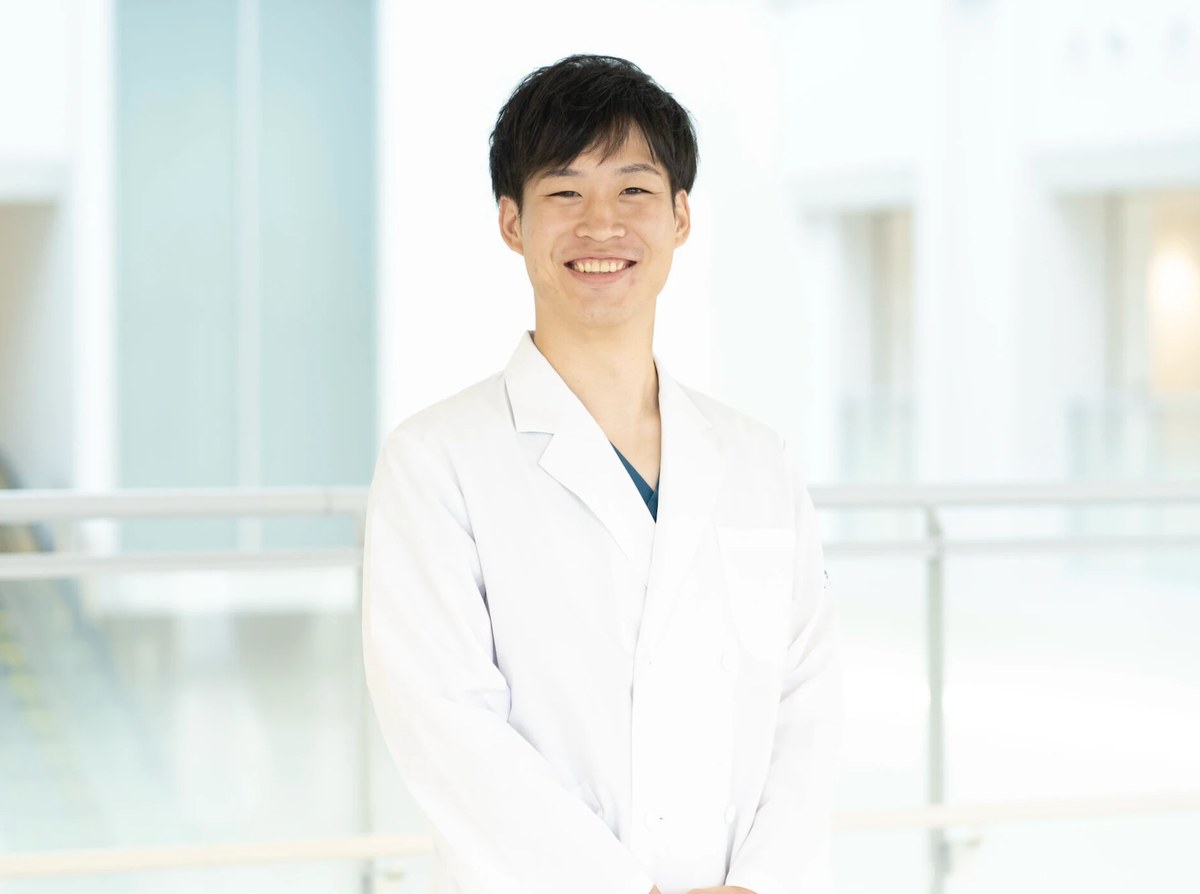
Sources
- Suzuki J, Takaku A. Cerebrovascular "moyamoya" disease: disease showing abnormal net-like vessels in base of brain. Archives of Neurology. 1969;20:288–299.
- Miyamoto S, et al. (JAM Trial Investigators). Effects of Extracranial–Intracranial Bypass for Patients With Hemorrhagic Moyamoya Disease. Stroke. 2014;45:1415–1421.
- Research Committee on Moyamoya Disease (Japan, MHLW). Japanese guidelines for the diagnosis and treatment of moyamoya disease (2021 revision).
- Kamada F, et al. A genome-wide association study identifies RNF213 as the first Moyamoya disease gene. Journal of Human Genetics. 2011;56:34–40.
- Scott RM, Smith ER. Moyamoya Disease and Moyamoya Syndrome. New England Journal of Medicine. 2009;360:1226–1237.
- Kuroda S, Houkin K. Moyamoya disease: current concepts and future perspectives. Lancet Neurology. 2008;7:1056–1066.
This page shares, in general terms, how Japanese neurosurgery usually approaches moyamoya disease. Let it inform your questions rather than replace your care: only the doctors who can see your imaging and blood-flow studies can settle your diagnosis and treatment plan with you. Reading these pages creates no doctor–patient relationship, and real-world practice differs from center to center and case to case. If sudden weakness, speech trouble, a sudden severe headache, or a seizure strikes, leave this page and call your local emergency services at once.